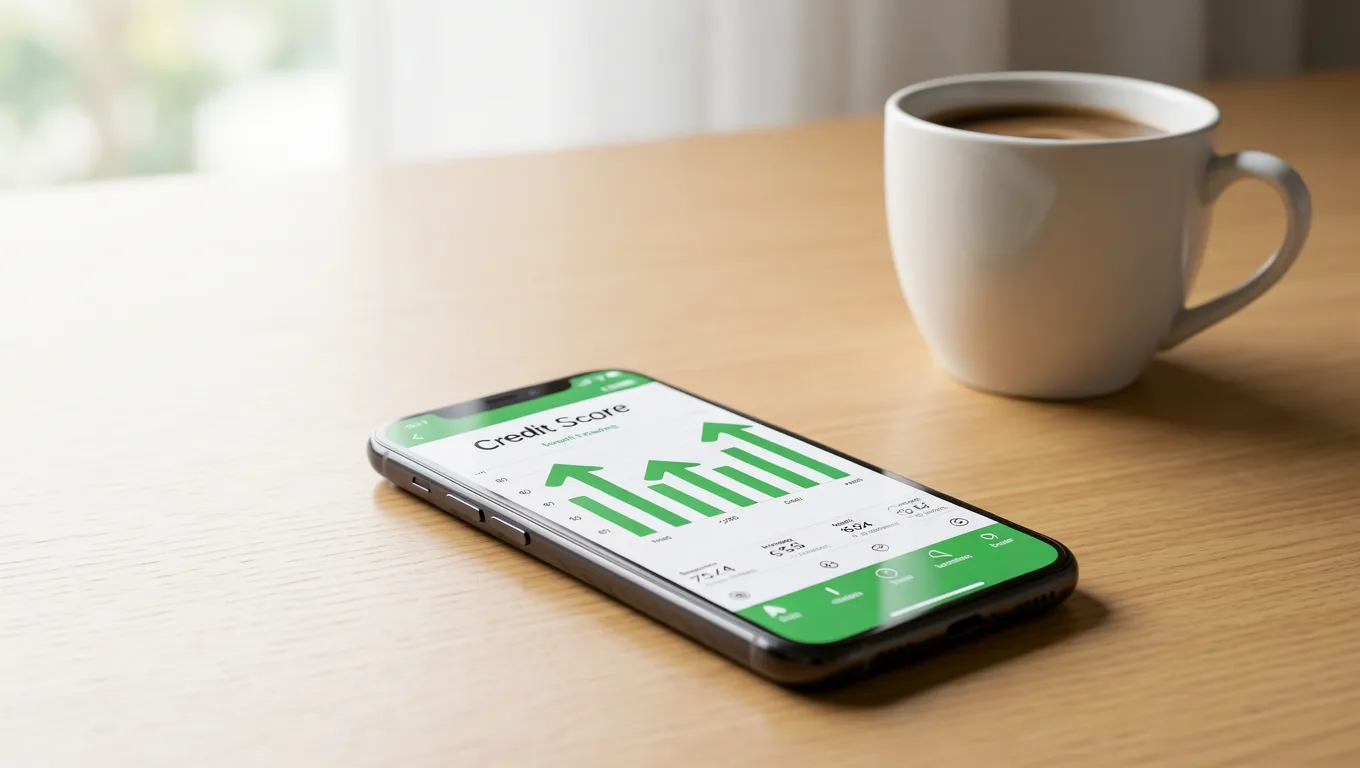
Securing a loan in 2026 shouldn't be a struggle just because your score isn't perfect. We connect you with lenders who specialize in mid-tier credit to help you reach your goals.
No hard credit pull · Takes 2 minutes
Won't impact your credit score
Provide basic information about your financial situation and the amount you may need to borrow.
Review different options from our network of lenders that match your specific fair credit profile.
Choose the loan term and rate that works for you and complete the application directly with the lender.
In the current 2026 financial landscape, a fair credit score—typically ranging from 580 to 669 according to Experian data—does not automatically bar you from accessing capital. Personal loans for fair credit are specialized fixed-rate installment loans designed for individuals who may have some history of late payments or high credit utilization but possess a stable income. Unlike prime borrowers who enjoy the lowest market rates, those in this category might encounter a wider spectrum of options depending on their specific debt-to-income ratio and overall financial stability.
Understanding your standing is crucial when navigating these products. Lenders often look beyond just the raw number to evaluate your 'character' through payment history and 'capacity' through your monthly earnings. While an APR range of 6%–36% is common across the industry, fair credit borrowers may find themselves toward the middle or upper end of that spectrum. It is vital to understand that these loans are structured to provide a lump sum upfront, which you then repay in predictable monthly increments over a set term.
When searching for these funds, it is important to distinguish between secured and unsecured options. An unsecured personal loan does not require collateral like your car or home, making it a popular choice for those looking to consolidate debt without risking assets. However, because the lender carries more risk with mid-tier credit profiles, they may include an origination fee as part of the total cost of borrowing. Always review the fine print provided by lenders to ensure you understand the full impact on your monthly budget.
To qualify for personal loans for fair credit, most lenders in 2026 will require a baseline of financial stability. While every lender has its own internal scoring model, common requirements include being a US resident, having a steady source of income, and maintaining a minimum age requirement (usually 18 or 21). Your debt-to-income ratio—the percentage of your gross monthly income that goes toward paying existing debts—is often a more significant factor for fair credit borrowers than the score itself. A lower ratio suggests you have the capacity to take on additional monthly payments.
Lenders may also perform a soft credit inquiry during the initial matching process, which allows you to see potential terms without impacting your score. However, once you select a specific lender and move forward with a formal application, they will likely perform a hard pull. According to guidance from the FTC, consumers should be aware that multiple inquiries for different types of loans can impact credit scores differently than several inquiries for the same type of loan within a short window.
Proactive preparation can significantly increase your chances of success. Having your recent pay stubs, tax returns, and a clear list of existing monthly obligations ready will streamline the process and demonstrate to potential lenders that you are a responsible borrower. By presenting a transparent financial picture, you help lenders mitigate their risk, which may lead to more favorable terms.
| Loan Type | Typical APR Range | Collateral Required | Best For |
|---|---|---|---|
| Unsecured Personal Loan | 15% - 36% | None | Debt Consolidation |
| Secured Personal Loan | 8% - 25% | Savings or Assets | Lowering Interest Rates |
| Credit Builder Loan | Varies | N/A | Improving Credit Score |
| Personal Line of Credit | 18% - 35% | None | Flexible Expenses |
| Consolidation Loan | 12% - 30% | None | Managing Multiple Debts |
The total cost of a loan is determined by much more than just the interest rate. When evaluating personal loans for fair credit, you must look at the Annual Percentage Rate (APR), which includes both the interest rate and any mandatory fees such as origination charges or processing costs. In 2026, transparency in lending has become a priority, with many lenders providing clear breakdowns of these costs upfront to comply with consumer protection standards established by the CFPB.
It is common for fair credit borrowers to see variations in terms based on their credit utilization ratio. If your credit cards are near their limits, you might find that interest rates are higher because lenders perceive a higher risk of default. However, using a loan to pay down those high-interest balances can actually improve your score over time by lowering your overall utilization. This strategic move is one of the most effective ways to transition from 'fair' credit into the 'good' or 'excellent' categories.
Be mindful of prepayment penalties. While many modern personal loans allow you to pay off your debt early without penalty, some lenders may include clauses that charge a fee if you settle the balance before the term ends. Always confirm this detail during your comparison process. A loan that seems cheaper initially might become more expensive if it prevents you from refinancing or paying down the principal ahead of schedule.
Securing a loan in 2026 has become increasingly digital-first, allowing for much faster processing times than in previous years. For those seeking personal loans for fair credit, the speed of approval can be a deciding factor, especially during emergencies. Most matching platforms now utilize real-time data verification to provide instant or near-instant pre-qualification, which helps you understand your potential options without waiting days for a manual review.
Once you have identified a lender that fits your needs, the final application stage is usually quite straightforward. You will likely be asked to verify your identity and income through digital documentation or direct bank connection services. It is important to ensure all information provided is 100% accurate; discrepancies in reported income or employment history can lead to delays or even denials, regardless of how good your credit score might be.
As you move through the final stages, remember that the goal is not just to get any loan, but to get the right loan. This means looking at the monthly payment amount in relation to your disposable income. A loan with a lower interest rate but an extremely short term might result in a monthly payment that is too high for your budget. Aim for a balance where you are paying down debt efficiently without compromising your daily financial stability.
Check your credit reports for errors or fraudulent activity that could be artificially lowering your score.
Try to keep your revolving credit card balances below 30% of your total limits to boost your rating.
Set up autopay for at least the minimum amount on all accounts to ensure you never have a late payment.
Limit the number of new credit applications you make in a short period to avoid too many hard inquiries.
We use industry-leading encryption to protect your sensitive financial data during the matching process.
Our technology allows you to view multiple lender options in minutes, not days.
We connect you with a wide variety of lenders, increasing your chances of finding fair credit terms.
No hidden fees from CashSwift; we simply help you find the best match for your needs.
Adjust the sliders to see an instant estimate. Actual rates depend on your credit profile.
* Estimate only. Actual rate and terms depend on lender approval.
Estimated Monthly Payment
$332.14
per month for 36 months
No impact on your credit score